
Google Antigravity Has a Context Problem. fAI Fixes It.
Antigravity's 1M token window doesn't prevent context rot. Context Engineering keeps your AI sharp across sessions, not just inside one window.
 Michael Gearhardt
Google Antigravity Has a Context Problem. fai Fixes It.
Google's new agentic IDE is impressive. Multi-model support. Autonomous agents. "Manager view" for running multiple AI workers in parallel. A 1 million token context window. Google shipped something real.
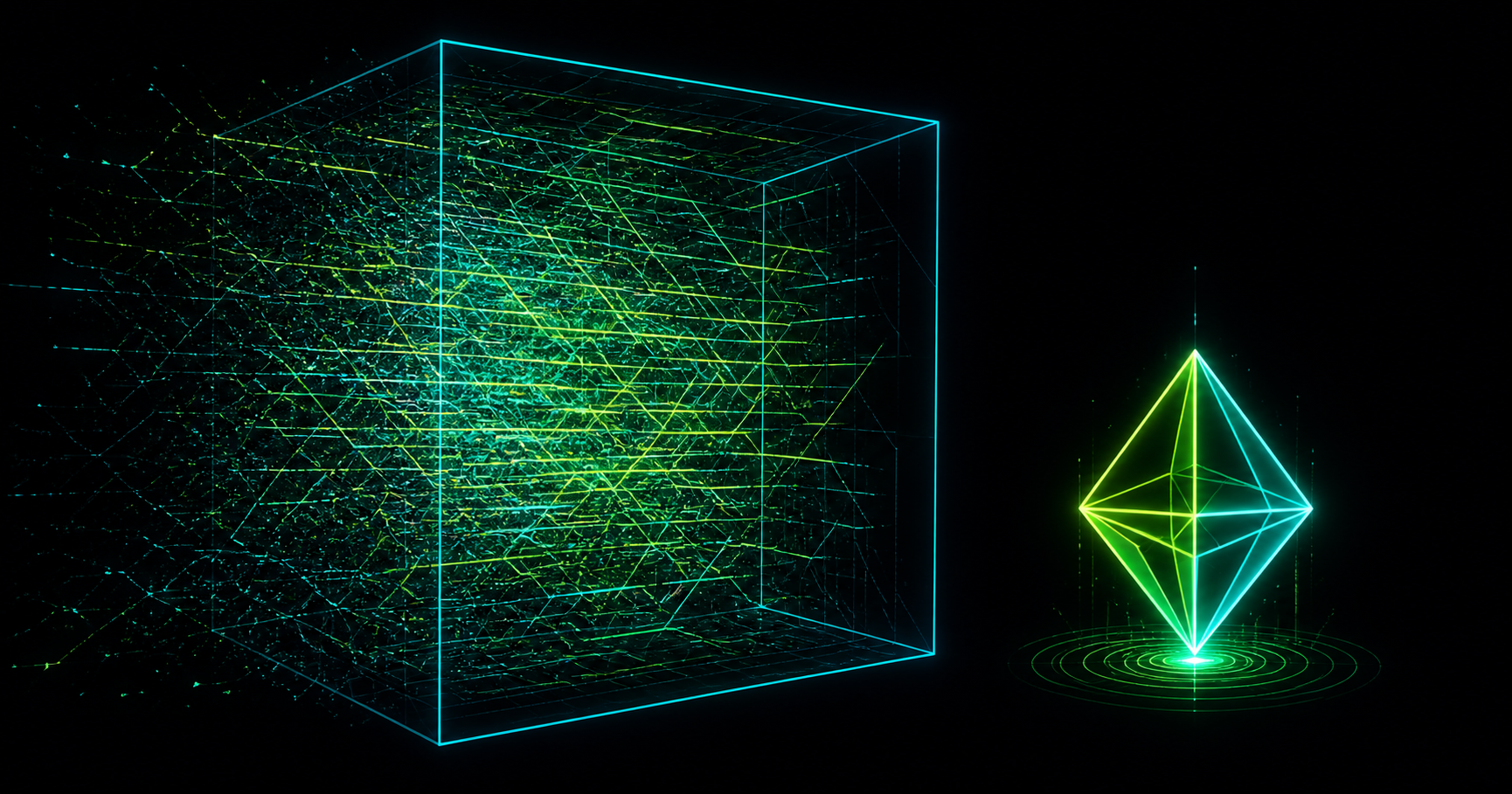
But developers using Antigravity for production work have already found the failure mode: context rot. Within the same session, Antigravity forgets file structures, architectural decisions, and code written three prompts ago. A large context window is a capacity claim. Reliable context retention inside that window requires architecture, not just space.
This isn't unique to Antigravity. Every agentic IDE has this failure mode. The context window fills. Earlier information gets compressed. The session degrades. The difference is that Antigravity is the highest-profile IDE to launch since Cursor — and the problem is showing up in session one.
Context Engineering Is the Answer
In 2025, Shopify CEO Tobi Lutke named the discipline: Context Engineering. Not Prompt Engineering — prompts get you through a single request. Context Engineering is what makes AI reliable across a full working session, and across sessions, and across tools.
Andrej Karpathy endorsed the framing. Developer communities picked it up. By 2026 the consensus is settled: prompting works for one-off tasks; production AI workflows require Context Engineering.
What that means in practice: the right information has to surround every AI request before it starts. Architecture decisions. Active priorities. Naming conventions. Technical vocabulary. The context your AI needs to do good work — curated, maintained, and injected into each session.
fai is the infrastructure for that.
What fai Does for Antigravity
Run fai.
fai reads your vault — the accumulated context from every AI session you've run —
and writes it into AGENTS.md. Antigravity reads AGENTS.md automatically before
the session starts. Architecture decisions, active priorities, naming conventions
— front-loaded before context rot can reach them.
The vault isn't just for Antigravity. While you work, fai captures activity across all your configured AI tools. A session with Claude Code yesterday, a session with Cursor this morning, a session with Antigravity now — all of it feeds the same vault. The context compounds continuously, ambient, nothing to configure.
By session 20, your Antigravity instance knows your vocabulary, your patterns, your architectural decisions — built up from every AI session you've had, across every tool. The context is already there before you type the first prompt.
Your Context, Not Google's
The vault fai builds stays in your project. Plain Markdown files. Git-backed.
Stored in ~/.fai/. Portable to every AI coding tool fai supports, sixteen and counting.
Switch to Cursor next month — your context goes with you. Your vault doesn't belong to Google. The context you've built won't reset when you close Antigravity.
We covered the ownership question in depth in Your Sessions Don't Belong to Claude. Antigravity makes it concrete: a capable tool, context rot as its failure mode, and the choice of building context inside Google's ecosystem or keeping it somewhere portable.
Git democratized code ownership. fai democratizes AI context ownership.
How to Start
deno run -A jsr:@fathym/fai/install
fai
fai is open source, free, and runs locally. Over 1,000 tests passing. Works
with every AI coding tool fai supports. Context stays in ~/.fai/ - no cloud.
Build anything with AI. Keep everything. Evolve forever. That "keep everything" — it compounds. Every session, every tool, every model that comes next.
Read more: Your Sessions Don't Belong to Claude →
Read more: What Stays When the Session Ends →
Two commands. Your vault loads in under 3 seconds.
deno run -A "https://www.fathym.com/fai/install.deno"New posts on AI workbenches, developer ownership, and compounding intelligence — when they're ready, not on a schedule.